Table of Contents
Introduction
Avocado for different age groups is a versatile superfood that fits into meals for almost every stage of life. From a baby’s first smooth foods to a senior’s nutrient-rich breakfast, avocado for different age groups offers healthy fats, fiber, vitamins and a soft texture that makes it easy to enjoy.
However, the best way to serve avocado can change with age. Babies may need smooth, plain portions, while children often enjoy avocado in sandwiches, dips, or smoothies. Adults may use it as a satisfying ingredient in balanced meals, and older adults may appreciate its soft texture and nutrient density.
This guide explains the potential benefits of avocado for different age groups, along with practical serving ideas and important safety tips for US families. Avocado for different age groups can be part of a healthy eating pattern, but it should complement—not replace—a varied diet.
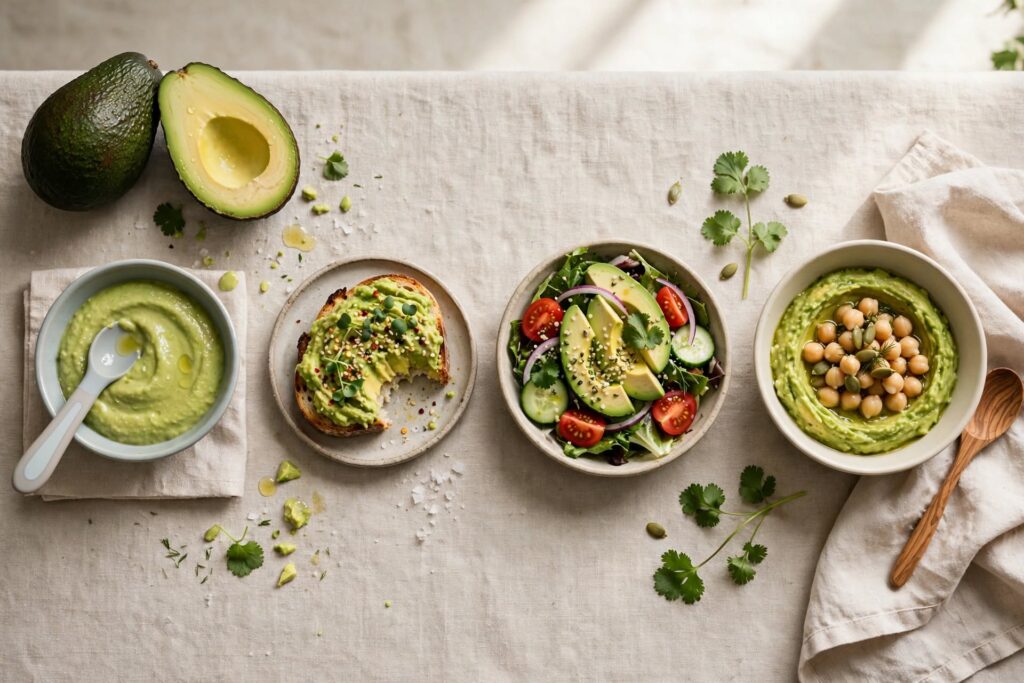
Avocado nutrition in brief
Avocado is best known for its unsaturated fat, especially monounsaturated fat. It also provides dietary fiber and several micronutrients. USDA FoodData Central lists raw avocado as a source of nutrients including fiber, potassium, folate, vitamin C, and vitamin E, although exact amounts can vary according to the variety, size, and serving portion.fdc.nal.usda+1
A commonly referenced 100-gram portion of raw avocado provides approximately:
- 160 calories.
- 14.7 grams of total fat.
- 8.5 grams of carbohydrates.
- 6.7 grams of dietary fiber.
- 2 grams of protein.
These figures are general nutrition values, not a recommendation to eat a fixed amount. A 100-gram portion is roughly smaller than one average avocado, and people may eat more or less depending on their needs.
Avocado’s fat and fiber can help make meals more satisfying. Its creamy texture can also replace some ingredients such as mayonnaise, butter, or cream in certain recipes. The Dietary Guidelines for Americans recommend replacing saturated fat with unsaturated fat as part of a healthy dietary pattern for people aged two and older.dietaryguidelines
Avocado for babies
Many babies can begin eating avocado when they are ready for complementary foods, usually around six months of age. Readiness signs may include sitting with support, controlling the head and neck, showing interest in food, and being able to move food safely in the mouth. Parents should follow guidance from their pediatrician, particularly if the baby was born prematurely or has feeding concerns. When planning avocado for different age groups, babies can start with smooth mashed avocado at 6 months.
Avocado is useful as an early food because it is naturally soft and can be mashed into a smooth texture. It has a mild flavor, which may make it easier for babies to accept. It also provides energy and fat, nutrients that are important during early growth.
How to serve avocado to babies
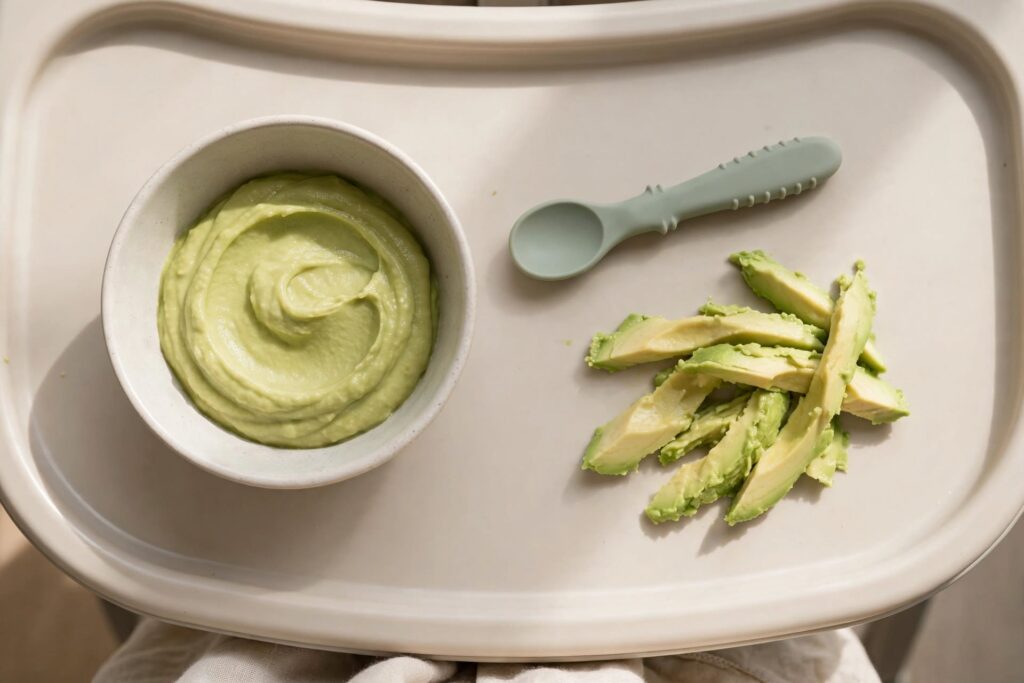
- Mash ripe avocado until smooth.
- Offer a small amount by spoon.
- Mix it with breast milk, formula, or a suitable soft food if a thinner texture is needed.
- As the baby develops feeding skills, offer soft, thick strips that are easy to hold.
- Introduce foods one at a time when appropriate so reactions can be identified more easily.
Do not add salt, sugar, honey, or spicy seasonings to a baby’s avocado. Honey should not be given to children younger than 12 months because of the risk of infant botulism. Always supervise babies while they eat and follow age-appropriate choking-prevention guidance.
Avocado alone does not provide every nutrient a baby needs. As complementary feeding progresses, babies require a variety of foods, including iron-rich options recommended by a healthcare professional.
Avocado for toddlers
Toddlers often have changing appetites and may reject foods they previously enjoyed. Avocado can be a practical ingredient because it is soft, easy to mash, and adaptable to sweet or savory meals.
The fruit’s fiber may support a balanced eating pattern, while its fat can add energy to small meals. A toddler may eat only a few bites at one sitting, so nutrient-rich foods can be useful additions to meals and snacks.
Try serving avocado in these ways:
- Spread on soft whole-grain toast.
- Mashed with beans and served as a dip.
- Mixed into scrambled egg or a soft omelet.
- Added to plain yogurt for a creamy snack.
- Diced into very small, soft pieces.
- Blended into a fruit smoothie without added sugar.
Cut avocado into shapes and sizes that match the child’s developmental stage. Avoid hard chunks and always supervise eating. If your toddler has difficulty chewing, swallowing, or managing textured foods, consult a pediatrician or feeding specialist.
Avocado for school-age children
School-age children need meals that support growth, learning, physical activity, and regular energy throughout the day. Avocado can help make meals more appealing and filling when paired with other nutritious foods.
For example, avocado can be added to a bean-and-cheese tortilla, spread into a chicken sandwich, or served with vegetables as a dip. Combining avocado with protein and whole grains creates a more balanced meal than serving it alone.
Kid-friendly ideas include:
- Avocado and egg toast.
- Bean, corn, and avocado quesadillas.
- Chicken and avocado wraps.
- Whole-grain crackers with avocado dip.
- Pasta mixed with avocado and peas.
- A colorful salad with avocado, cucumber, and tomatoes.
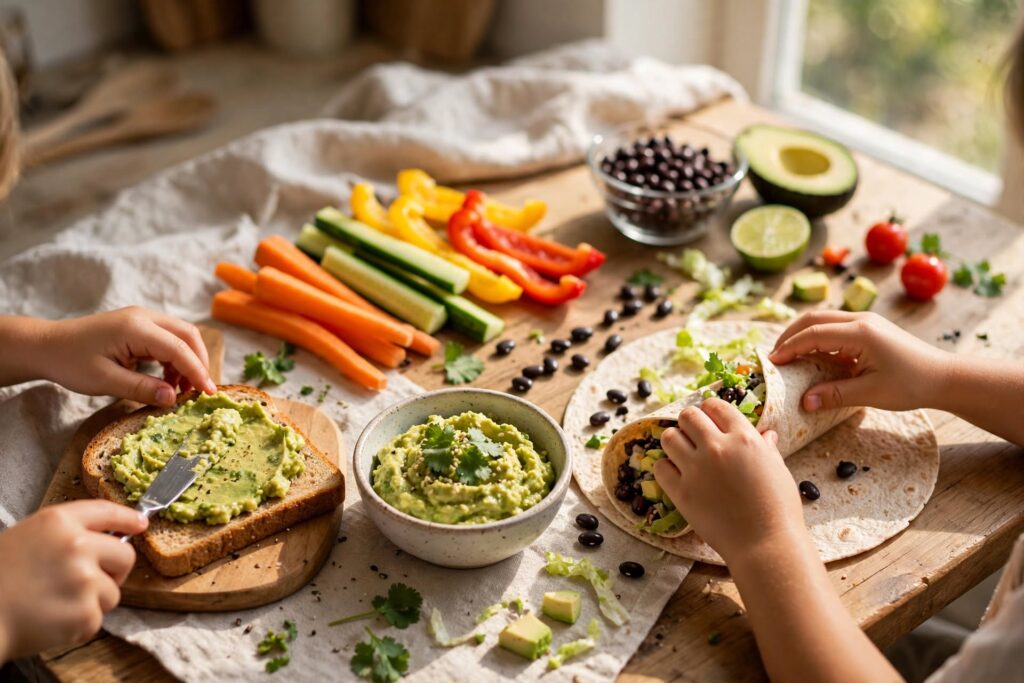
Children may be more willing to try avocado when they help prepare it. Let them mash it, choose toppings, or assemble their own toast. Avoid turning healthy eating into a pressure-filled experience; repeated, relaxed exposure can be more helpful than forcing a child to finish a food.
Avocado for teenagers
Teenagers may have irregular schedules, busy school days, sports practices, and changing nutritional needs. Avocado is convenient because it can be added to quick meals without extensive cooking.
A balanced teen meal might combine avocado with eggs, beans, chicken, fish, tofu, or cheese, along with whole grains and vegetables. This combination provides a broader range of nutrients than relying on avocado by itself.
Useful options include:
- Avocado and egg breakfast sandwiches.
- Rice bowls with beans, vegetables, and avocado.
- Tuna or chickpea avocado sandwiches.
- Smoothies containing avocado, fruit, and yogurt.
- Post-practice wraps with chicken, salad, and avocado.
- Avocado topped with cottage cheese and black pepper.
Avocado is calorie-dense compared with many fruits, so portion size can be adjusted to appetite and overall meal needs. Teenagers with allergies, digestive conditions, eating concerns, or special dietary requirements should receive individualized advice from a qualified healthcare professional.
Avocado for adults
For adults, avocado can support a balanced eating pattern when used in place of less nutritious or more saturated-fat-heavy ingredients. For example, mashed avocado can replace some mayonnaise in a sandwich, or it can be used as a creamy topping instead of a large amount of cheese. Understanding avocado for different age groups helps older adults get soft texture plus potassium and fiber.
Its fiber content can contribute to overall dietary fiber intake, while its unsaturated fat can help add richness to meals. The American dietary guidance emphasizes choosing nutrient-dense foods and replacing saturated fats with unsaturated fats rather than simply adding extra calories to an existing diet.dietaryguidelines
Adults can use avocado in:
- Breakfast bowls with eggs and whole grains.
- Salads with beans, lentils, or grilled chicken.
- Whole-grain sandwiches.
- Tacos with vegetables and lean protein.
- Homemade dips.
- Smoothies and chilled soups.
- Grain bowls with roasted vegetables.
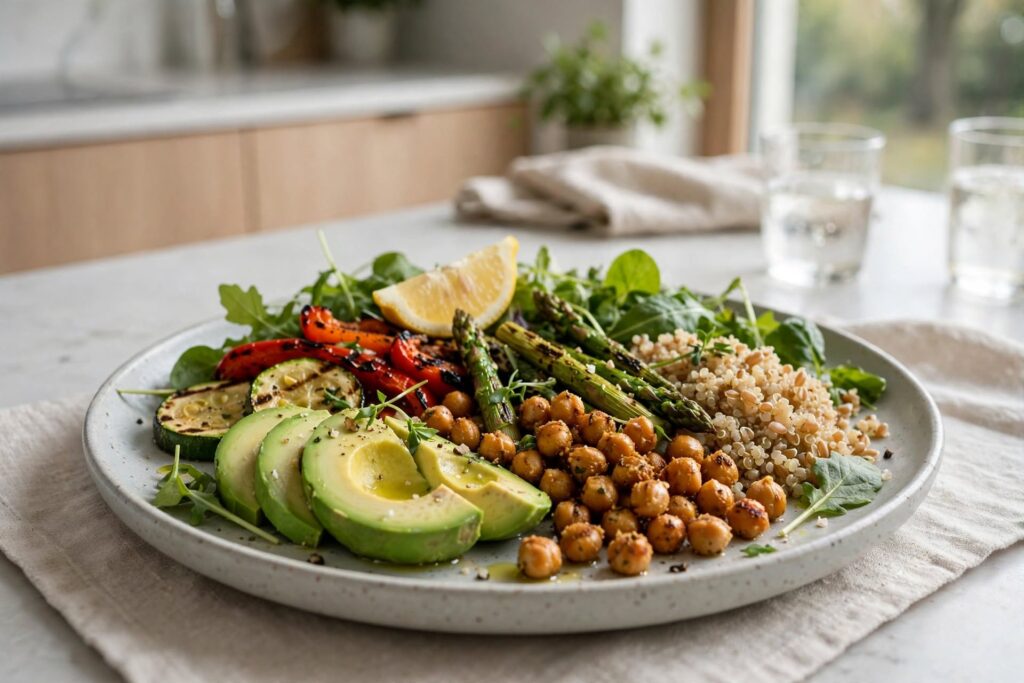
A simple balanced plate could include half a plate of vegetables, a protein food, a whole-grain carbohydrate, and a moderate serving of avocado. The exact amount depends on individual energy needs, activity, health goals, and the rest of the meal.
Avocado during pregnancy
Pregnant adults need a varied diet that supplies enough energy, protein, vitamins, minerals, and fluids. Avocado can be included as one nutritious ingredient in meals, providing fiber and unsaturated fat along with several vitamins and minerals.
It can be added to whole-grain toast, bean salads, eggs, yogurt-based meals, or sandwiches. Wash the avocado’s outer skin before cutting it, even though the peel is not eaten. Keep cut avocado refrigerated and follow food-safety practices.
Avocado is not a replacement for prenatal supplements or medical advice. Pregnancy nutrition needs are personal, especially for people with gestational diabetes, nausea, food allergies, or other medical conditions. Consult an obstetrician, midwife, or registered dietitian for individualized guidance.
Avocado for older adults
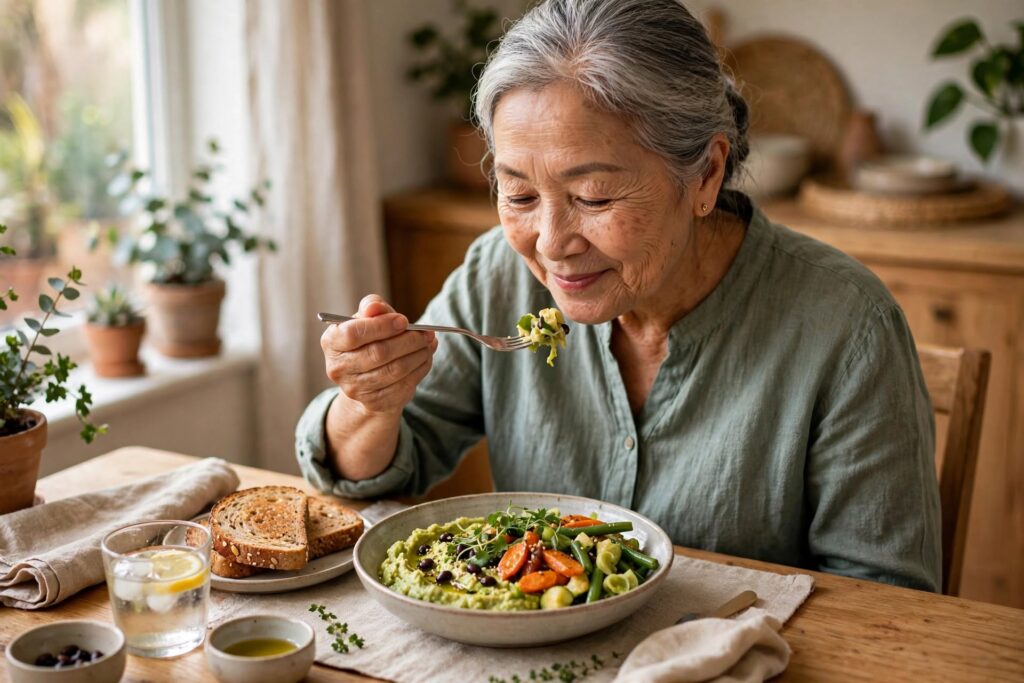
Older adults may experience changes in appetite, chewing ability, digestion, mobility, or the ability to prepare meals. Avocado can be helpful because it is soft, easy to chew, and simple to add to a variety of dishes.
Its energy density may be useful for people who struggle to eat enough, while its fiber can contribute to a fiber-rich diet. However, older adults have different needs. Some may need more calories, while others may need to monitor potassium, calories, or specific nutrients because of kidney disease, diabetes, or medication-related concerns.
Easy options include:
- Mashed avocado on soft whole-grain bread.
- Avocado blended into a bean soup.
- Egg and avocado salad.
- Soft rice bowls with vegetables.
- Avocado mixed with cottage cheese.
- Smoothies with yogurt and berries.
- Avocado added to flaky fish or tender chicken.
For adults with swallowing problems, food texture should be guided by a healthcare professional or speech-language pathologist. A smooth food is not automatically safe for every person with dysphagia.
Safe preparation and storage
Food safety matters at every age, especially for babies, pregnant people, older adults, and anyone with a weakened immune system.
Use these practical steps:
- Wash the avocado’s skin under running water before cutting.
- Use a clean knife and cutting board.
- Remove the pit carefully and avoid cross-contamination.
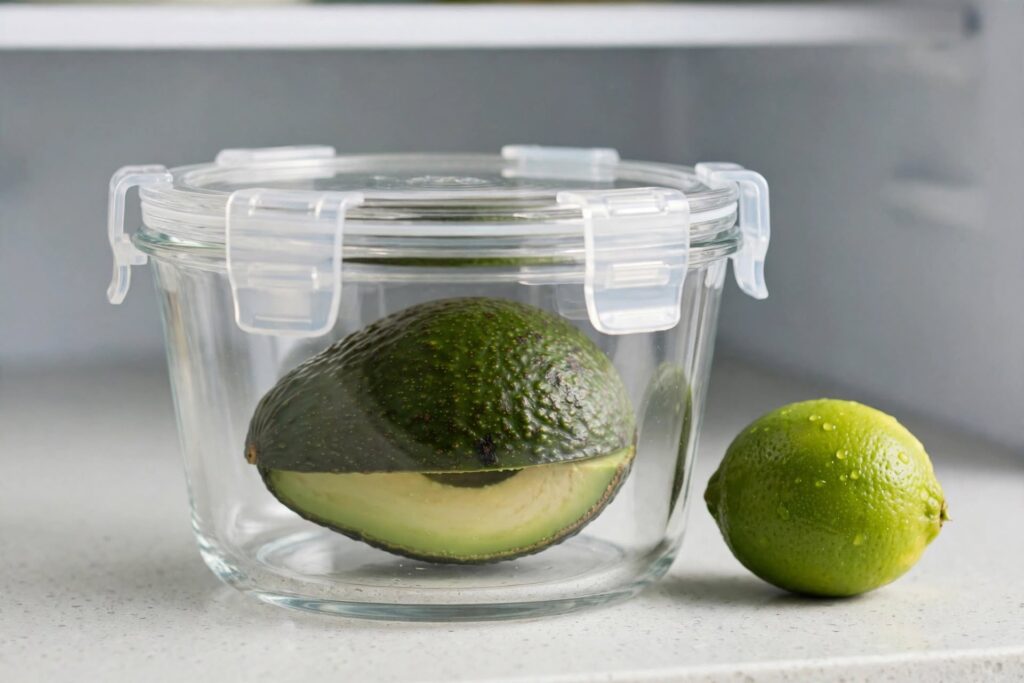
- Refrigerate cut avocado in a sealed container.
- Use lemon or lime juice to slow browning, but remember that it does not make food shelf-stable.
- Discard avocado that smells sour, has mold, or develops an unpleasant slimy texture.
- Do not leave prepared avocado dishes at room temperature for extended periods.
Browning is usually caused by oxidation and does not always mean the avocado is spoiled. A thin brown layer can often be scraped away if the avocado otherwise looks and smells normal.
Portion and allergy considerations
Avocado is nutritious, but more is not always better. It contains valuable fats and calories, so it should be included in portions that fit the person’s total diet. A few spoonfuls may be suitable for a young child, while an adult may choose a larger serving depending on the meal.
Rarely, people can have an avocado allergy or experience reactions related to latex-fruit allergy syndrome. Possible symptoms can include itching, swelling, stomach discomfort, or breathing difficulty. Seek urgent medical attention for signs of a severe allergic reaction.
People with kidney disease or other conditions that require potassium or calorie management should ask their healthcare professional how avocado fits their diet. Nutrition advice should be personalized when a medical condition is present.
Final thoughts
Avocado can be a flexible, nutrient-rich food for avocado for different age groups, from babies beginning complementary foods to older adults seeking soft and convenient meal ingredients. Its healthy fats, fiber, creamy texture, and mild flavor make it easy to include in breakfasts, snacks, lunches, and dinners.
The most important point is to serve avocado in an age-appropriate form, combine it with a variety of other foods, and follow safe preparation practices. Whether mashed for a baby, spread on a teenager’s toast, added to an adult salad, or blended into a soft meal for an older adult, avocado can have a place in a balanced diet.
In conclusion, avocado for different age groups offers unique benefits from babies to seniors. Understanding avocado for different age groups helps US families serve it safely.
Frequently asked questions
Is avocado good for every age group?
Avocado can be included in the diets of most age groups, but serving texture, portion size, and preparation should match the person’s age and abilities. Babies and people with swallowing difficulties need particular care.Yes, avocado for different age groups is good when served in age-appropriate portions.
Can babies eat avocado?
Many babies can eat avocado when they are developmentally ready for complementary foods, often around six months. Serve it mashed or in an age-appropriate soft shape, supervise eating, and follow advice from your pediatrician.
Is avocado suitable for older adults?
Yes, avocado’s soft texture can make it convenient for older adults. However, people with kidney disease, swallowing problems, or other medical conditions should seek personalized advice.
Does avocado contain protein?
Avocado contains a small amount of protein, but it is not a high-protein food. Pair it with eggs, beans, lentils, dairy, fish, chicken, tofu, or another protein source for a more complete meal.
How should cut avocado be stored?
Place cut avocado in a clean, sealed container and refrigerate it. Use it promptly and discard it if it develops mold, an unpleasant odor, or a spoiled texture.