Avocado for kids is one of the healthiest food choices parents can make. Rich in healthy fats, fiber, vitamins, and minerals, avocado supports brain development, healthy growth, strong immunity, and good digestion. Its creamy texture and mild flavor make it easy to include in meals, snacks, and smoothies, making it a favorite even among picky eaters.
Growing children need nutritious foods that provide energy, support development, and strengthen their immune systems. One fruit that stands out for its impressive nutritional profile is the avocado. The benefits of avocado in children’s diet go far beyond its creamy texture and delicious taste. Packed with healthy fats, vitamins, minerals, fiber, and antioxidants, avocado is considered one of the most nutritious foods parents can include in their child’s daily meals.
Unlike many fruits, avocado for kids is an excellent source of heart-healthy monounsaturated fats that play an important role in brain development and overall growth. It also provides essential nutrients that support strong bones, healthy muscles, better digestion, glowing skin, and good eyesight. Thanks to its creamy texture and mild flavor, avocado is easy to add to sandwiches, smoothies, salads, and snacks, making avocado for kids a nutritious choice that even picky eaters can enjoy.
Whether your child is a toddler, preschooler, or school-aged, adding avocado to meals can be a simple way to improve overall nutrition. In this comprehensive guide, you’ll discover the benefits of avocado in children’s diet, understand its nutritional value, learn creative meal ideas, and find practical tips to make this superfood a regular part of your child’s healthy eating habits.
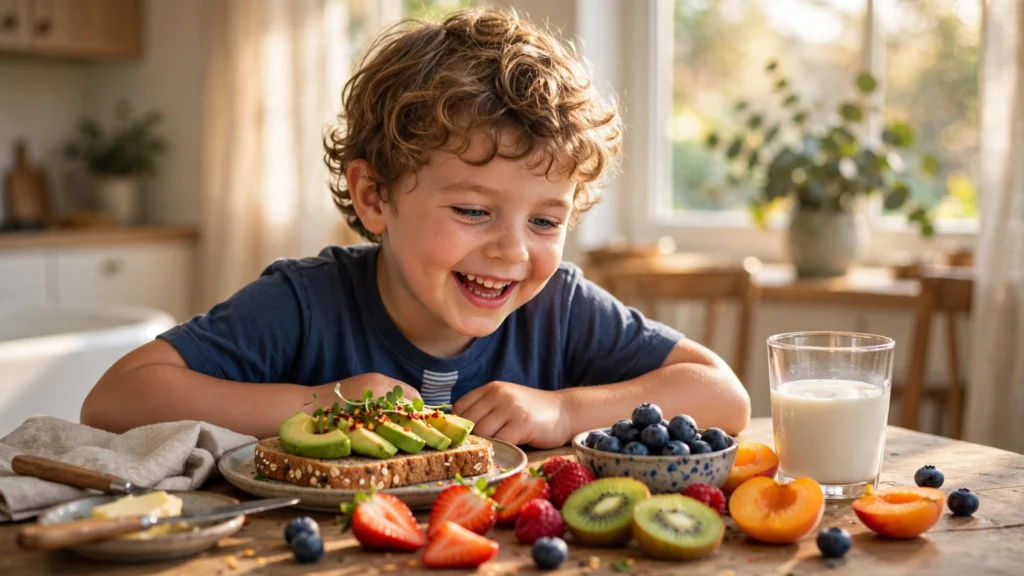
Why Avocado for Kids Is a Healthy Choice
Avocado is often called a superfood, and for good reason. It contains an exceptional combination of healthy fats, dietary fiber, vitamins, minerals, and antioxidants that growing children need every day. Instead of providing empty calories, avocados deliver nutrient-dense energy that supports physical and mental development.
Children experience rapid growth during their early years. Their brains, muscles, bones, and immune systems all require consistent nutrition to develop properly. Avocado for kids is an excellent source of many essential nutrients in a single serving, making it a smart addition to a balanced diet that supports healthy growth and development.
Some of the reasons nutrition experts recommend avocado for children include:
- Rich in healthy monounsaturated fats
- High in dietary fiber
- Naturally low in sugar
- Packed with vitamins and minerals
- Contains antioxidants that protect growing cells
- Easy to digest
- Suitable for many healthy recipes
- Naturally creamy without artificial ingredients
Its soft texture also makes avocado one of the easiest fruits for babies and young children to eat.
Easy Ways to Serve Avocado for Kids
Understanding what makes avocado so nutritious helps parents appreciate why it deserves a place in their children’s meals.
Healthy Monounsaturated Fats
Unlike unhealthy saturated fats found in processed foods, avocados contain heart-friendly monounsaturated fats. These fats are extremely important during childhood because they help:
- Build healthy brain cells
- Support nervous system development
- Improve nutrient absorption
- Provide lasting energy
- Promote healthy skin
Since children’s brains continue developing throughout childhood, healthy fats are essential rather than something to avoid.
Dietary Fiber
Fiber is another important nutrient found in avocado.
Children who consume enough fiber often experience:
- Better digestion
- Regular bowel movements
- Reduced constipation
- Longer-lasting fullness
- Improved gut health
Fiber also feeds beneficial bacteria in the digestive system, supporting a healthier gut microbiome.
Essential Vitamins
Avocados contain several vitamins that contribute to healthy growth.
Vitamin K
Supports healthy bones and proper blood clotting.
Vitamin C
Strengthens immunity while helping the body produce collagen for healthy skin and tissues.
Vitamin E
Acts as an antioxidant that protects cells from damage.
Vitamin B6
Supports brain development and helps convert food into energy.
Folate
Essential for healthy cell growth and DNA production.
Important Minerals
Avocados are also rich in valuable minerals.
Potassium
Potassium helps regulate:
- Heart function
- Muscle movement
- Fluid balance
- Nerve signals
Interestingly, avocados often contain more potassium than bananas.
Magnesium
Magnesium supports:
- Bone strength
- Muscle relaxation
- Energy production
- Healthy sleep
Copper
Copper contributes to healthy blood cells and proper immune function.
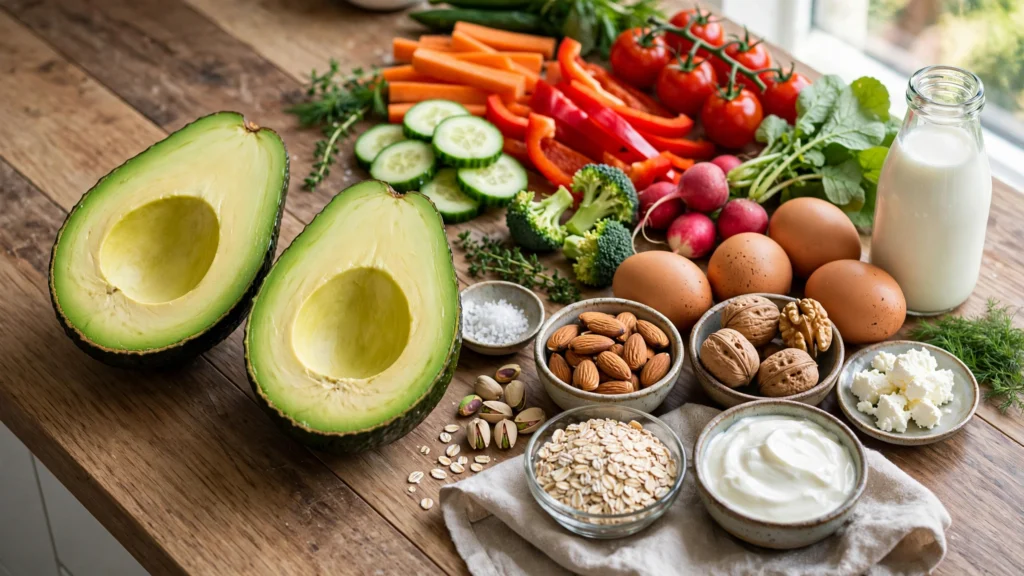
Top Benefits of Avocado in Children’s Diet
Supports Healthy Brain Development
One of the biggest benefits of avocado in children’s diet is its positive effect on brain development.
The brain is made up largely of fat, especially during early childhood. The healthy fats found in avocado for kids help build brain tissue while supporting memory, concentration, and learning abilities.
Children who receive adequate healthy fats as part of a balanced diet are better equipped to support normal cognitive development. Including avocado for kids in breakfast or lunch also provides steady energy, helping children stay focused and active throughout the day.
Promotes Healthy Physical Growth
Growing children require adequate calories and nutrients to build muscles, bones, and tissues.
Avocado offers nutrient-rich calories instead of empty calories from sugary snacks.
Its vitamins and minerals contribute to:
- Bone development
- Muscle growth
- Tissue repair
- Hormone production
- Healthy metabolism
Regular consumption supports healthy development throughout childhood.
Strengthens the Immune System
Children are frequently exposed to viruses and bacteria, especially at school or daycare.
The vitamins C and E found in avocado help strengthen the body’s natural defense system.
A healthy immune system can help children:
- Recover faster from illness
- Fight infections more effectively
- Maintain overall wellness
While no single food prevents illness, nutritious foods like avocado support the body’s normal immune function.
Improves Digestive Health
Constipation is common among young children.
The dietary fiber in avocado supports healthy digestion by adding bulk to stools and encouraging regular bowel movements.
Fiber also helps maintain healthy gut bacteria, which play an important role in digestion and immunity.
Children who eat fiber-rich foods often experience better digestive comfort.
Supports Healthy Eyesight
Avocados naturally contain lutein and zeaxanthin.
These antioxidants accumulate in the eyes and help protect vision from damage caused by harmful light and oxidative stress.
Although children may not immediately notice the benefits, consuming these nutrients throughout childhood supports long-term eye health.
Provides Long-Lasting Energy
Unlike sugary snacks that create quick energy spikes followed by crashes, avocado provides slow-releasing energy.
The combination of healthy fats and fiber keeps children satisfied for longer periods.
This makes avocado an excellent choice before school, sports, or outdoor activities.
Why Parents Recommend Avocado for Kids
Beyond supporting growth and development, avocado provides several additional health benefits.
Helps Maintain a Healthy Heart
Although heart disease is typically an adult concern, healthy eating habits begin in childhood.
The healthy fats in avocado support normal cholesterol balance when eaten as part of a balanced diet.
Teaching children to enjoy nutritious foods early in life encourages lifelong healthy eating habits.
Supports Healthy Skin
Healthy fats and vitamin E nourish the skin from within.
Children with balanced diets often have healthier skin because nutrients support normal skin repair and hydration.
Improves Nutrient Absorption
One lesser-known advantage of avocado is that its healthy fats help the body absorb fat-soluble vitamins, including vitamins A, D, E, and K.
For example, adding avocado to a vegetable salad allows the body to absorb more nutrients from the vegetables.
Encourages Healthy Eating Habits
Children who are introduced to a variety of nutritious foods at an early age are more likely to continue healthy eating as they grow older. Avocado for kids is a great choice because it is nutritious, versatile, and easy to include in everyday meals.
Because avocado can be served in many fun ways, it encourages children to explore new flavors and textures, making avocado for kids an enjoyable addition to a balanced diet.
When Can Babies and Children Eat Avocado?
Avocado is widely recommended as one of the first solid foods because of its naturally soft texture.
below is best plan avocado for kids.
General guidelines include:
- Around 6 months: Smooth mashed avocado.
- 7–9 months: Thick mashed avocado with tiny soft pieces.
- 9–12 months: Small diced avocado pieces.
- 1 year and older: Avocado slices, sandwiches, salads, wraps, smoothies, and family meals.
Always introduce new foods individually and consult your pediatrician if your child has allergies or specific dietary concerns.
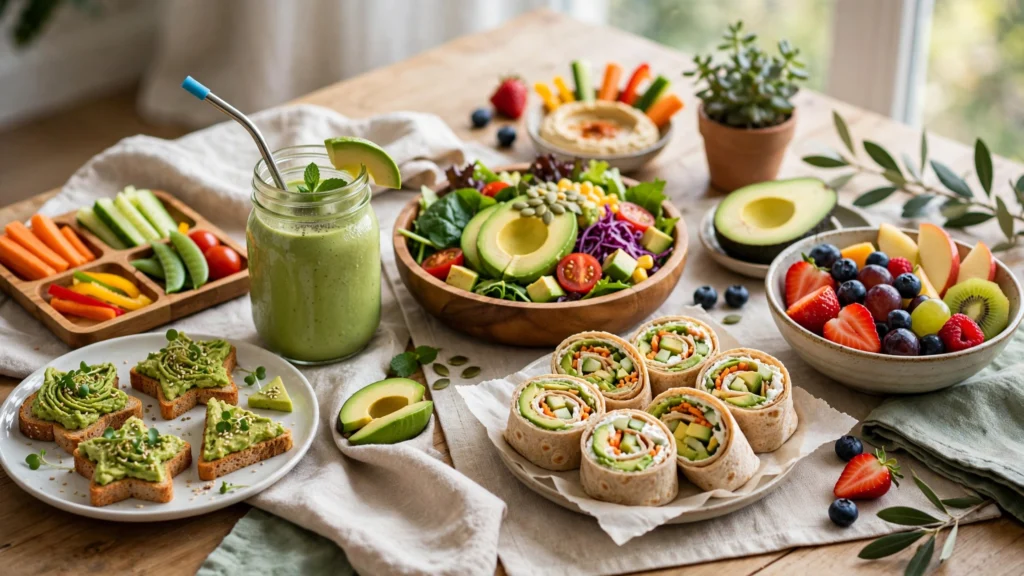
Avocado for Kids few easy ways
Adding avocado to your child’s meals is simple because it pairs well with both sweet and savory foods. Its creamy texture and mild flavor make it easy to include in everyday recipes without overwhelming young taste buds.
Healthy Breakfast Ideas
A nutritious breakfast gives children the energy they need to start the day. Avocado can make breakfast more filling and nutrient-rich.
Some easy breakfast ideas include:
- Mashed avocado on whole-grain toast
- Avocado and banana smoothie
- Scrambled eggs with diced avocado
- Whole-wheat avocado sandwich
- Yogurt topped with avocado and fresh fruit
These meals provide a balanced combination of healthy fats, protein, fiber, and vitamins.
Nutritious Lunch Ideas
Avocado makes school lunches healthier and more satisfying.
Try these lunch ideas:
- Grilled chicken and avocado wraps
- Turkey and avocado sandwiches
- Brown rice with avocado and vegetables
- Avocado pasta salad
- Whole-grain pita stuffed with avocado and hummus
These meals help children stay energized and focused throughout the school day.
Healthy Snack Ideas
Instead of processed snacks, choose nutrient-rich options.
Healthy avocado snacks include:
- Guacamole with carrot and cucumber sticks
- Avocado slices with boiled eggs
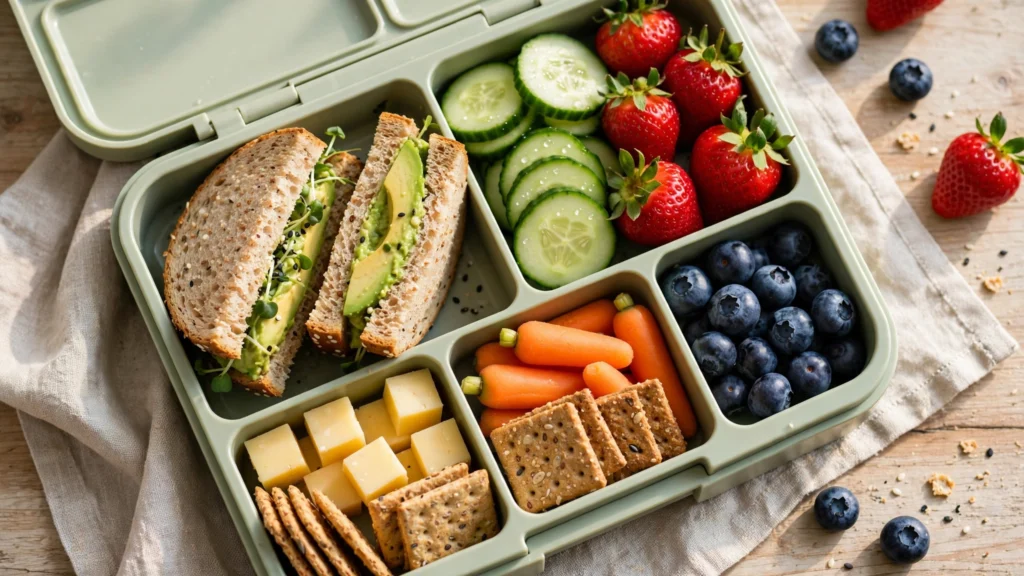
- Avocado and cheese cubes
- Whole-grain crackers with mashed avocado
- Fruit and avocado smoothie
These snacks provide lasting energy without excessive added sugar.
Dinner Ideas
Avocado also fits perfectly into family dinners.
You can serve it with:
- Grilled chicken and avocado salsa
- Vegetable rice bowls
- Whole-wheat tacos with avocado
- Baked potatoes topped with avocado
- Homemade burrito bowls
Adding avocado to dinner increases the meal’s nutritional value while improving flavor and texture.

Easy Kid-Friendly Avocado Recipes
Creamy Avocado Banana Smoothie
Ingredients
- 1 ripe avocado
- 1 banana
- 1 cup milk
- ½ cup plain yogurt
- Ice cubes
Instructions
Place all ingredients into a blender and blend until smooth. Serve immediately for a refreshing and nutritious breakfast or snack.
Avocado Toast for Kids
Ingredients
- Two slices whole-grain bread
- One ripe avocado
- Cherry tomatoes
- Grated cheese
Instructions
Toast the bread lightly. Mash the avocado and spread it evenly over the toast. Add sliced tomatoes and sprinkle a little grated cheese on top before serving.
Homemade Guacamole
Ingredients
- Two ripe avocados
- One small tomato
- Fresh lemon juice
- Finely chopped coriander
- A pinch of black pepper (optional)
Instructions
Mash the avocado, mix in the remaining ingredients, and serve with vegetable sticks or whole-grain crackers.
Avocado Fruit Bowl
Ingredients
- Avocado cubes
- Strawberries
- Blueberries
- Banana slices
- Plain yogurt
Instructions
Mix all ingredients together and chill before serving for a refreshing and colorful snack.
How to Choose and Store Avocados
Choosing ripe avocados ensures the best taste and texture.
When shopping, look for avocados that:
- Feel slightly soft when gently pressed
- Have dark green or nearly black skin, depending on the variety
- Are free from large bruises or deep cuts
- Do not feel overly mushy
To store avocados properly:
- Keep unripe avocados at room temperature.
- Refrigerate ripe avocados to slow ripening.
- Brush cut avocado with lemon or lime juice to reduce browning.
- Store leftovers in an airtight container.
Proper storage helps reduce food waste and keeps avocados fresh for longer.
Recommended Serving Sizes
Avocado is nutritious, but like any food, it should be enjoyed as part of a balanced diet.
General serving suggestions are:
- Babies (6–12 months): 2–4 teaspoons of mashed avocado
- Toddlers (1–3 years): About one-quarter of an avocado
- Children (4–8 years): One-quarter to one-half avocado
- Older children: One-half avocado, depending on their overall diet and activity level
Serving sizes may vary based on individual nutritional needs.
Are There Any Risks?
Avocados are considered safe for most children, but parents should keep a few precautions in mind.
Food Allergies
Avocado allergies are uncommon but can occur. Introduce avocado gradually and watch for symptoms such as rash, swelling, or difficulty breathing. Seek medical advice immediately if severe reactions occur.
Choking Risk
For babies and toddlers, always serve avocado mashed or cut into very small, soft pieces suitable for their age.
Balanced Nutrition
Although avocado is highly nutritious, it should be part of a varied diet that includes fruits, vegetables, whole grains, dairy, and protein-rich foods.

Frequently Asked Questions
Can children eat avocado every day?
Yes. Most healthy children can enjoy avocado regularly as part of a balanced diet. It provides healthy fats, fiber, and essential nutrients that support growth and development.
Is avocado suitable for picky eaters?
Yes. Its mild taste and creamy texture make it one of the easiest nutritious foods to introduce to picky eaters. Mixing avocado into smoothies, sandwiches, or spreads can make it even more appealing.
Does avocado help brain development?
Yes. Healthy monounsaturated fats and vitamin B6 support normal brain growth and nervous system development during childhood.
Is avocado good for digestion?
Yes. The fiber in avocado promotes healthy digestion, supports gut health, and helps prevent constipation.
Can avocado replace other fruits?
No. While avocado is highly nutritious, children should eat a variety of fruits to receive a wide range of vitamins, minerals, and antioxidants.
Tips for Parents
Helping children enjoy healthy foods doesn’t have to be difficult. Small changes in meal preparation can make a big difference.
Here are a few practical tips:
- Introduce avocado early during complementary feeding.
- Pair avocado with foods your child already enjoys.
- Make meals colorful and visually appealing.
- Allow children to help prepare simple recipes.
- Offer avocado regularly without forcing them to eat it.
- Be patient, as children may need several attempts before accepting a new food.
Building positive experiences around healthy eating encourages lifelong habits.
Conclusion
The benefits of avocado in children’s diet make this nutrient-rich fruit an excellent choice for growing kids. From supporting brain development and healthy growth to improving digestion, strengthening immunity, and providing long-lasting energy, avocado delivers a remarkable combination of nutrients in every serving.
Its creamy texture, mild flavor, and versatility allow parents to include it in breakfasts, lunches, dinners, snacks, and smoothies with ease. Whether your child is just starting solid foods or is already enjoying family meals, avocado can become a valuable part of a balanced and healthy diet. Avocado for kids must be mandatory in diet plans in every age bracket.
Remember that no single food provides everything a child needs. The greatest health benefits come from combining avocado with a variety of fruits, vegetables, whole grains, lean proteins, and dairy or dairy alternatives. By making nutritious choices today, you are helping your child build healthy eating habits that can last a lifetime.
If you haven’t already added avocado to your child’s menu, now is a great time to start. Simple, delicious, and packed with nutrition, avocado truly deserves its reputation as one of nature’s healthiest foods for children.