Introduction
After a long day in the sun, skin can feel dry, tight, rough, or uncomfortable. While proper sun protection is the best way to prevent UV-related damage, nourishing ingredients can help support your skin afterward. One food that deserves attention is avocado.
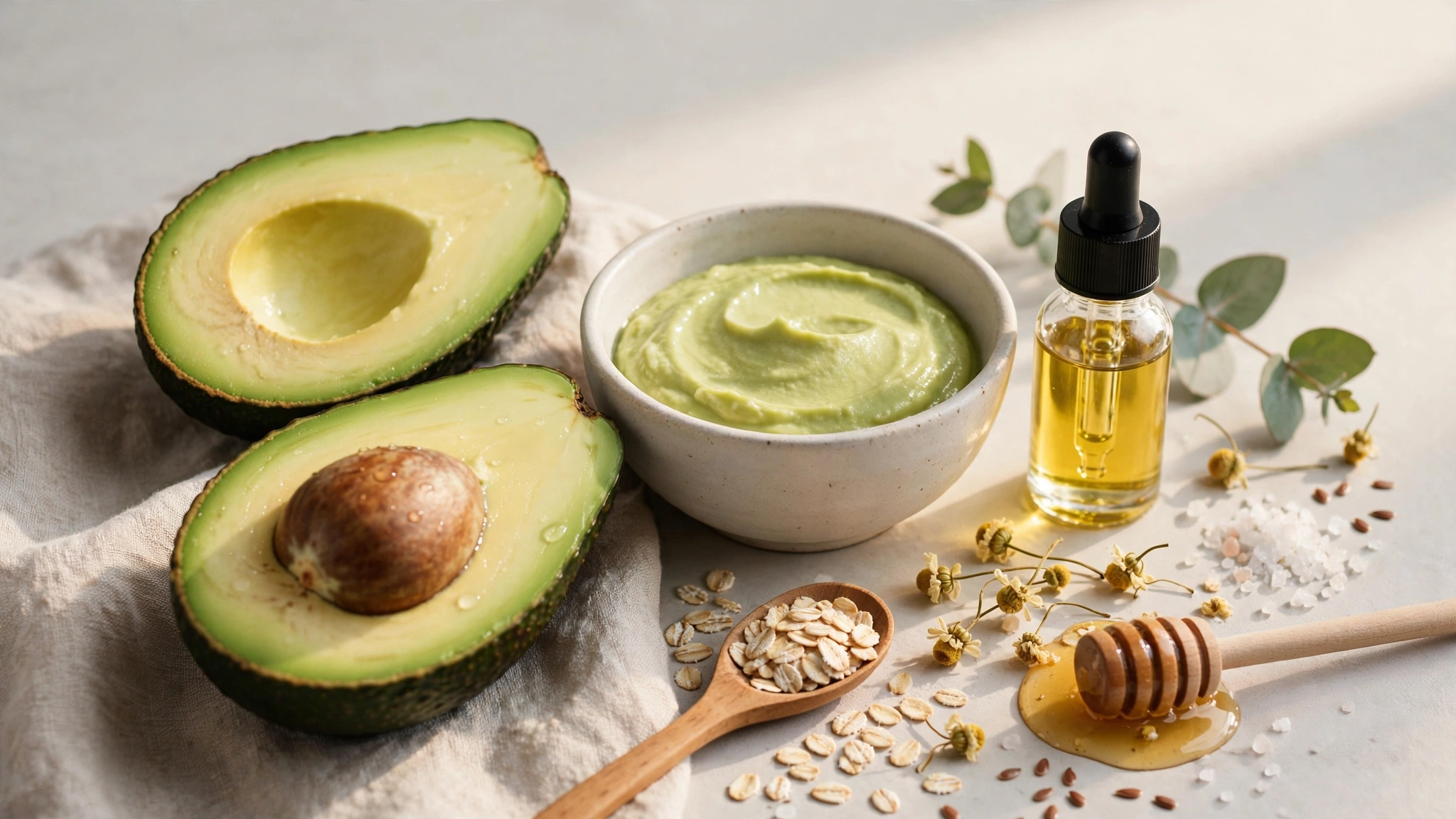
The potential avocado skin benefits come from its combination of healthy fats, antioxidants, vitamins, and other plant compounds. Avocado and avocado oil are particularly interesting for dry-feeling skin because their lipid content may help support moisture and the skin barrier. However, avocado should be viewed as a nourishing skincare ingredient—not as a replacement for sunscreen or medical treatment.
So, what can avocado actually do for your skin after sun exposure? This guide explores five potential benefits, explains the role of avocado’s fatty acids and antioxidants, and shares a simple DIY body mask made with avocado, honey, and turmeric.
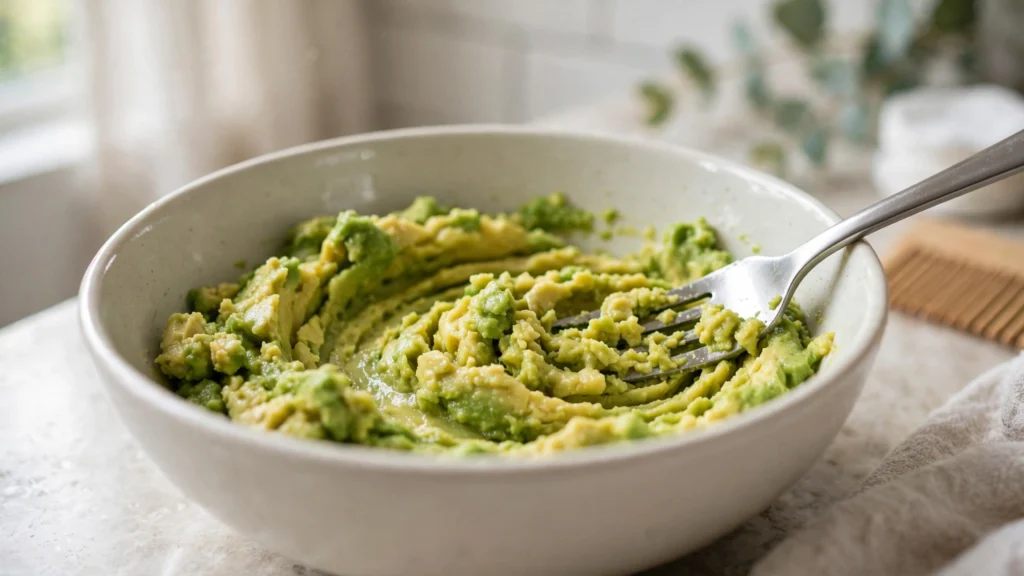
Table of Contents
- What Are the Avocado Skin Benefits After Sun Exposure?
-
- Helps Support Skin Moisture
-
- Provides Skin-Friendly Fatty Acids
-
- Supplies Antioxidant Compounds
-
- May Support a Healthy-Looking Skin Barrier
-
- Adds Nourishing Care to a Post-Sun Routine
-
- How to Make an Avocado, Honey and Turmeric Body Mask
- What Avocado Cannot Do for Sun-Damaged Skin
- How to Care for Skin After Sun Exposure
- Frequently Asked Questions
Complete Article
What Are the Avocado Skin Benefits After Sun Exposure?
Avocado is best known as a nutrient-rich food, but its healthy fats and plant compounds have also made it popular in skincare. Avocado oil contains a high proportion of monounsaturated fatty acids, while avocado also provides compounds such as vitamin E and carotenoids.
Research into topical avocado preparations is still developing, so it is important not to overstate what the fruit can do. There is some evidence for moisturizing and cosmetic benefits, but that does not mean applying avocado can reverse UV damage or prevent sunburn.
Here are five potential avocado skin benefits worth knowing.
1. Helps Support Skin Moisture
One of the most practical reasons to consider avocado after sun exposure is its moisturizing potential.
Sun exposure can leave the skin feeling dry and uncomfortable. Avocado contains fats that can help make a skincare preparation feel richer and more emollient. Avocado oil, in particular, is used in cosmetic formulations because of its lipid content.
Keeping the skin moisturized can improve the feel and appearance of dry, rough skin. For someone whose skin feels tight after spending time outdoors, an avocado-based treatment can therefore be a nourishing addition to a gentle post-sun routine.
It is important, however, to distinguish moisturizing from repairing UV injury. A moisturizer can improve comfort and hydration without undoing cellular damage caused by ultraviolet radiation.
2. Provides Skin-Friendly Fatty Acids
Avocado is naturally rich in fats, including monounsaturated fatty acids. These lipids are one reason avocado and avocado oil are widely used in cosmetic and moisturizing products.
Fatty acids are important components of the skin’s protective barrier. A healthy barrier helps the skin retain moisture and defend itself against environmental stressors.
Some research on fatty acids and UV-related skin damage has explored anti-inflammatory and antioxidant mechanisms, but evidence from studies of fatty acids in general should not automatically be interpreted as proof that eating or applying avocado prevents UV damage.
The more responsible takeaway is this: avocado’s fatty acids can contribute to a nourishing, moisturizing skincare approach, while proven sun-protection measures remain essential.
3. Supplies Antioxidant Compounds
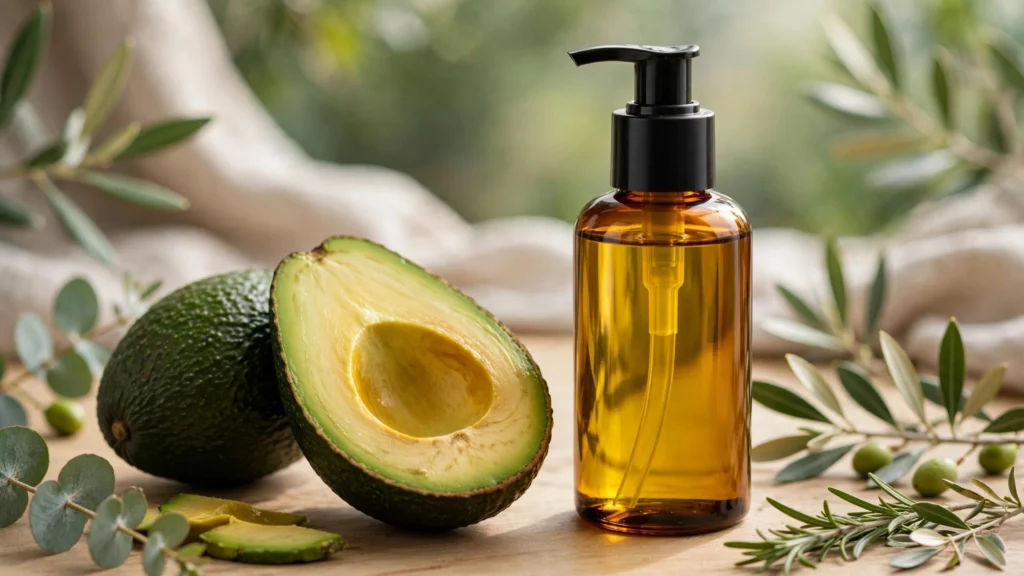
Avocado contains antioxidant compounds, including vitamin E and carotenoid pigments. Antioxidants are important because oxidative stress is one of the processes associated with environmental skin damage.
UV radiation can generate oxidative stress in skin. That makes antioxidant-rich foods and ingredients an interesting area of skincare research.
However, there is a major difference between antioxidant potential and demonstrated sun protection. Eating avocado or applying an avocado-based mask does not provide a measurable SPF and should never be used instead of sunscreen.
Think of avocado as supportive nourishment rather than a sunscreen alternative.
4. May Support a Healthy-Looking Skin Barrier
The skin barrier is the outer defensive layer of the skin. When it is compromised, skin can become dry, rough, flaky, or more sensitive.
The lipids in avocado may make it useful as part of a moisturizing routine designed to support the skin barrier. This can be especially appealing after outdoor activities when the skin feels depleted of moisture.
Topical avocado oil has also been investigated in cosmetic formulations. For example, a small clinical study examined a cream containing avocado oil and saffron extract and reported improvements in certain measures of facial appearance and elasticity. Because that study involved a specific formulated product rather than plain avocado, its findings should not be treated as proof that a homemade avocado mask produces the same results.
5. Adds Nourishing Care to a Post-Sun Routine
Perhaps the simplest of the avocado skin benefits is that it can make a post-sun skincare routine feel more nourishing.
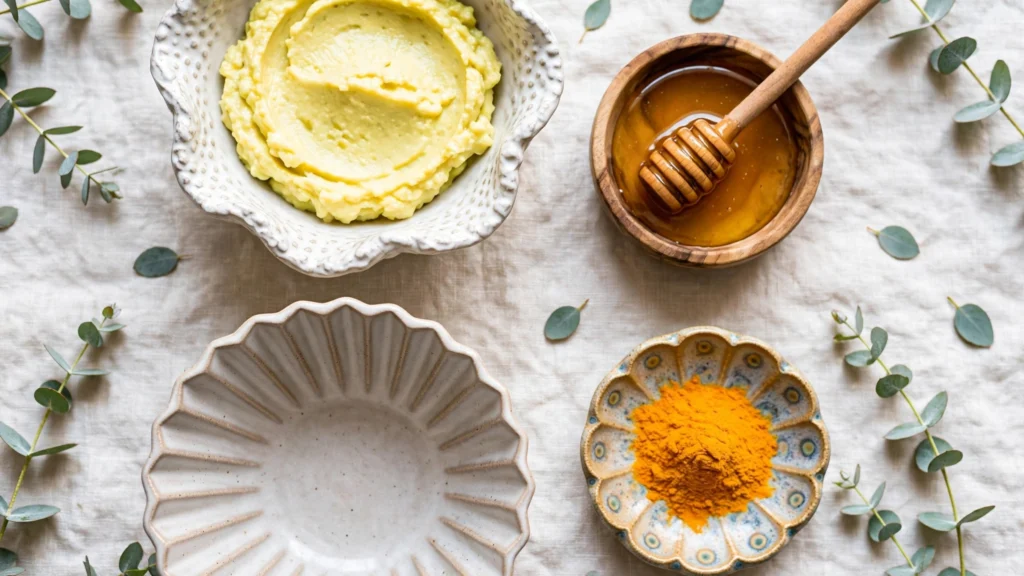
Mashed avocado can be combined with other gentle ingredients to create a simple body treatment. Honey, for example, can add a smooth, humectant-rich texture, while a small amount of turmeric can provide color and plant compounds.
The goal should be comfort and nourishment—not aggressive exfoliation or “removing” sun damage.
If your skin is actively painful, blistered, peeling severely, or intensely irritated, skip DIY masks. A sunburn is a form of skin injury, and gentle care is more appropriate.
How to Make an Avocado, Honey and Turmeric Body Mask
A simple avocado body mask can be used as an occasional moisturizing treatment when your skin is dry but not actively burned or irritated.
Ingredients
- ½ ripe avocado
- 1 teaspoon honey
- A small pinch of turmeric
Instructions
- Mash the avocado until it becomes smooth.
- Mix in the honey.
- Add a very small pinch of turmeric and blend thoroughly.
- Apply a thin layer to clean, intact skin.
- Leave it on for about 10–15 minutes.
- Rinse gently with lukewarm water.
- Pat the skin dry rather than rubbing it.
- Follow with a fragrance-free moisturizer if your skin still feels dry.
A Few Precautions
Patch-test the mixture on a small area before applying it more widely, especially if you have sensitive skin or known food allergies.
Turmeric can temporarily stain skin or clothing, so use only a small amount. Avoid applying the mask to cuts, broken skin, blisters, or actively irritated sunburn.
Most importantly, don’t use this recipe as a homemade sunscreen. Homemade mixtures have not undergone the testing required to establish reliable SPF or broad-spectrum protection. The American Academy of Dermatology recommends broad-spectrum, water-resistant sunscreen with SPF 30 or higher for sun protection.
What Avocado Cannot Do for Sun-Damaged Skin
The popularity of natural skincare can sometimes make ingredients sound more powerful than the evidence supports.
Avocado can be a useful moisturizing ingredient, but it cannot be considered a treatment for serious UV injury. It does not reverse DNA damage, erase sunburn, or replace sunscreen.
UV exposure can cause both immediate and cumulative skin damage. According to the American Academy of Dermatology, repeated unprotected exposure can contribute to premature aging, including wrinkles and age spots, as well as increasing skin-cancer risk.
That’s why the best approach is to combine nourishing skincare with prevention:
- Use broad-spectrum SPF 30 or higher.
- Reapply sunscreen as directed, especially after swimming or sweating.
- Seek shade when practical.
- Wear protective clothing, a wide-brimmed hat, and sunglasses.
- Avoid deliberately tanning.
- Keep post-sun skincare gentle and moisturizing.
Avocado belongs in the supportive-care category—not the sun-protection category.
How to Care for Skin After Sun Exposure
If your skin simply feels dry after being outdoors, a gentle routine may be enough.
First, get out of direct sun and allow your skin to cool. A cool shower or bath can help with discomfort. Apply a gentle moisturizer while the skin is still slightly damp to help reduce dryness. The American Academy of Dermatology also recommends moisturizers containing ingredients such as aloe vera or soy for soothing sunburned skin.
Drink enough fluids, particularly if you spent a long time outdoors in hot weather.
If blisters develop, don’t pop them. Blistering can indicate a more significant sunburn, and protecting the area can help reduce the risk of infection.
For severe, worsening, or unusual symptoms, consult a healthcare professional rather than relying on a DIY skincare treatment.

Frequently Asked Questions
What are the main avocado skin benefits?
The main potential benefits include moisturizing support, nourishing fatty acids, antioxidant compounds, and support for a healthy-looking skin barrier. Evidence for specific topical effects remains limited, so avocado should not be considered a treatment for UV damage.
Can avocado protect skin from the sun?
Avocado should not be considered a sunscreen. Although avocado contains fats and antioxidant compounds that may support skin health, it does not provide reliable, tested UV protection. Use a broad-spectrum sunscreen with SPF 30 or higher instead.
Is avocado good for dry skin after sun exposure?
Avocado may be useful for dry-feeling skin because its fats can provide a rich, moisturizing feel. However, avoid applying homemade masks to blistered, broken, or severely irritated skin.
Can I use an avocado, honey and turmeric mask on sunburn?
It is better to avoid DIY masks on active sunburn, especially when the skin is painful, blistered, peeling heavily, or broken. Gentle cooling and an appropriate moisturizer are safer choices for irritated skin.
Does eating avocado improve skin?
Avocado provides healthy fats and antioxidant compounds as part of the diet. However, eating avocado should be viewed as part of overall nutrition rather than a targeted treatment for sun damage.
How often can I use an avocado body mask?
For non-irritated skin, an occasional mask may be reasonable if you tolerate the ingredients. Start with a small patch test and stop if you experience redness, itching, burning, or other irritation.
Conclusion
The potential avocado skin benefits make this nutrient-rich fruit an interesting addition to a gentle skincare routine. Its healthy fats can help provide a moisturizing, nourishing feel, while antioxidant compounds make avocado an appealing ingredient for supporting overall skin care.
But there is an important distinction between supporting the skin and protecting it from UV radiation. Avocado cannot replace sunscreen, reverse established sun damage, or treat a significant sunburn. The strongest post-sun strategy is to cool and moisturize irritated skin, stay hydrated, and protect yourself from additional UV exposure.
For dry, intact skin, a simple avocado, honey, and turmeric body mask can be an enjoyable occasional treatment. Just keep expectations realistic: use avocado as nourishing skincare, while relying on proven sun-protection measures to defend your skin.