Table of Contents
Avocado is more than a creamy topping for toast or the main ingredient in guacamole. This versatile fruit provides fiber, monounsaturated fat, potassium, folate, vitamins, and antioxidant compounds that can fit into a balanced eating pattern throughout the year. If you are looking for simple ways to improve everyday meals, learning about these avocado benefits is a good place to start.
Avocado works equally well in a fresh summer salad and a warm winter grain bowl. It can add richness to meals without requiring complicated preparation, and its mild flavor pairs with vegetables, beans, eggs, whole grains, fish, and lean proteins. In this guide, we will explore 10 useful avocado benefits, seasonal serving ideas, and practical tips for choosing and storing this popular fruit.
A 100-gram serving of raw avocado contains about 160 calories, 14.7 grams of fat, 8.5 grams of carbohydrate, 6.7 grams of fiber, and 2 grams of protein. It also provides potassium, folate, vitamin K, vitamin E, vitamin C, magnesium, lutein, and zeaxanthin.
Avocado is calorie-dense compared with many fruits, but much of its fat is monounsaturated fat. The best way to enjoy it is to use it as part of a varied diet and, where possible, as a replacement for less nutritious spreads or high-saturated-fat ingredients.
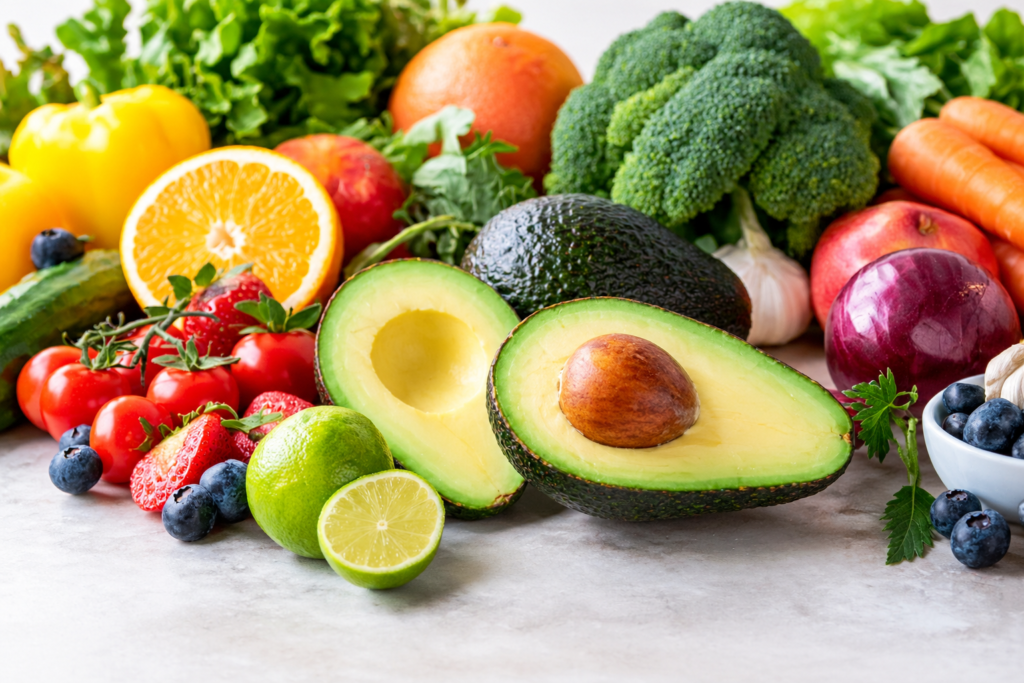
1. Supports Hydration in Summer
Avocado is not a water-rich food like watermelon, cucumber, or oranges, so it should not replace drinking water in hot weather. However, it contains potassium, a mineral that helps the body maintain normal fluid balance and supports normal muscle function.
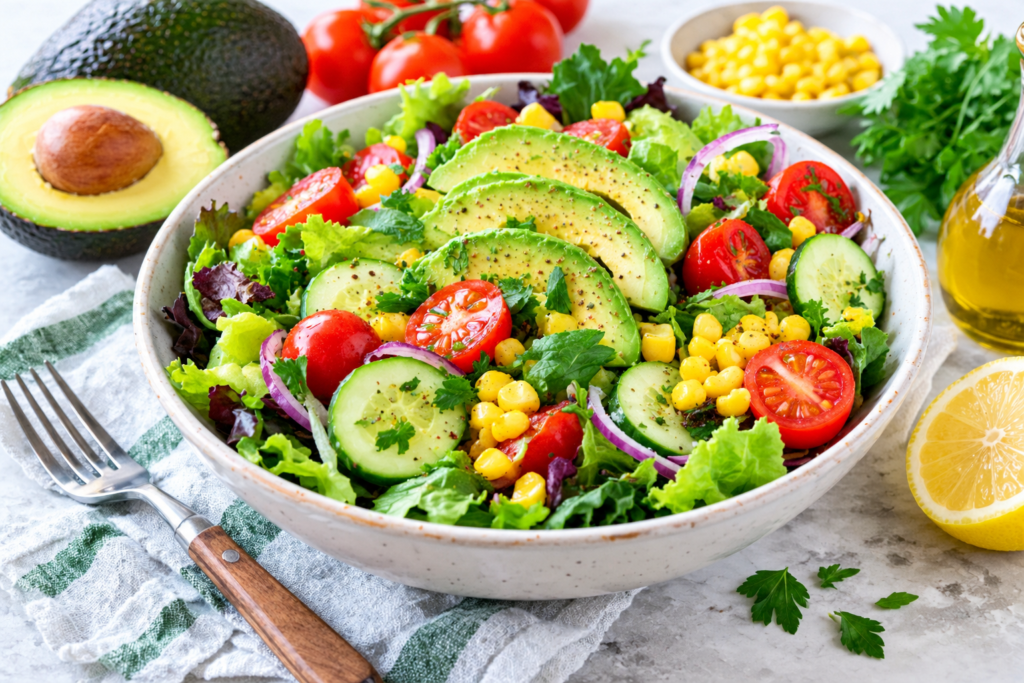
During summer, avocado can be combined with water-rich ingredients to create a refreshing and nourishing meal. Try adding it to a salad with cucumber, tomato, lettuce, lemon juice, and fresh herbs.
This combination provides different textures and nutrients while keeping the meal light. The avocado also adds healthy fat, which can make a simple vegetable salad more satisfying.
2. Provides Healthy Fats
One of the most discussed avocado benefits is its high content of monounsaturated fat. Replacing foods high in saturated fat with foods containing unsaturated fat can support a more heart-conscious eating pattern.
For example, mashed avocado can replace butter on whole-grain toast. It can also replace part of the mayonnaise in sandwiches or provide creaminess in a homemade salad dressing.
The goal is not to add unlimited avocado to every meal. Instead, use it as a smart substitution that improves texture and nutritional value without making food feel bland or restrictive.
3. Supports Digestive Health
A medium avocado contains approximately 10 grams of dietary fiber. Fiber supports regular bowel movements and contributes to normal digestive function.
Avocado contains both insoluble and soluble fiber. Some of its fiber also acts as a prebiotic, which means it can help nourish beneficial bacteria in the gut. However, gut health depends on the overall diet, including vegetables, fruits, legumes, whole grains, nuts, and seeds.
If you are not used to eating much fiber, increase your intake gradually and drink enough fluids. Adding a small amount of avocado to a meal with beans, lentils, oats, or whole grains can be an easy way to build a higher-fiber diet.
4. Promotes Heart Health
Avocado provides monounsaturated fat, fiber, potassium, and plant compounds that fit well into several heart-supportive eating patterns. Its potassium content also supports normal blood pressure regulation and muscle function.
A meta-analysis of randomized clinical trials found that avocado-enriched diets significantly reduced total cholesterol, LDL cholesterol, and triglycerides. The researchers noted that avocado should replace other dietary fats rather than simply being added to an already high-calorie diet.
Long-term research has also found an association between eating two or more servings of avocado per week and a lower risk of cardiovascular disease. However, this type of research cannot prove that avocado alone prevents heart disease.
A practical choice is to spread avocado on toast instead of butter or add it to a sandwich instead of processed meat and creamy sauces.
5. Provides Essential Vitamins and Minerals
Avocado supplies several nutrients needed for normal body functions. These include:
Folate: Supports cell division and red blood cell formation.
Vitamin K: Contributes to normal blood clotting and bone metabolism.
Vitamin E: An antioxidant vitamin that helps protect cells from oxidative stress.
Vitamin C: Supports immune function and collagen production.
Potassium: Supports fluid balance, nerves, muscles, and the heart.
Magnesium: Contributes to muscle, nerve, and energy functions.
B vitamins: Help the body release energy from food.
Avocado is not a replacement for a varied diet or medical treatment. Still, it can add nutrient density to meals that might otherwise contain mostly refined carbohydrates or processed ingredients.
6. Supports Winter Nutrition
Cold weather often encourages people to eat more heavy meals, creamy sauces, refined carbohydrates, and processed comfort foods. Avocado can add freshness, fiber, and healthy fat to winter meals without requiring a major change in cooking habits.
Add sliced avocado to a warm bowl of brown rice, roasted vegetables, and beans. You can also serve it with eggs, whole-grain toast, lentils, chili, or roasted sweet potatoes.
The contrast between warm ingredients and cool, creamy avocado can make a simple meal more interesting. It also pairs well with winter vegetables such as carrots, cabbage, spinach, cauliflower, Brussels sprouts, and squash.
7. Contains Antioxidant Compounds
Avocado contains vitamin E and carotenoids, including lutein and zeaxanthin. These compounds have antioxidant properties and are associated with eye health.
Lutein and zeaxanthin are found in the human eye, where they help filter certain types of high-energy light. Diets containing these carotenoids have been associated with better eye health, although eating avocado cannot guarantee protection from vision problems.
Avocado is especially useful in salads because its fat can complement other vegetables that contain fat-soluble plant compounds. Try combining it with spinach, carrots, tomatoes, bell peppers, and corn.
8. Helps Make Meals More Satisfying
Avocado combines fat and fiber, two nutrients that can help a meal feel more satisfying. This can be useful when you want to reduce constant snacking between meals.
For example, toast with jam may provide quick energy but little fiber or healthy fat. Adding avocado and an egg creates a more balanced meal with carbohydrates, fat, protein, and fiber.
Avocado is still calorie-dense, so portion size matters. One-quarter to one-half of a medium avocado is a practical serving for many people, depending on individual calorie needs and the other foods in the meal.
9. Adds Nutrition to Seasonal Meals
Avocado has a mild, slightly earthy flavor that works with both fresh and cooked ingredients. Its creamy texture can reduce the need for heavy sauces, large amounts of cheese, or mayonnaise.
In summer, add avocado to:
Tomato and cucumber salads
Cold pasta or grain salads
Wraps with lettuce and grilled chicken
Smoothies with spinach and berries
Guacamole with vegetables or whole-grain crackers
In winter, add avocado to:
Brown rice, quinoa, or barley bowls
Bean chili and lentil dishes
Roasted vegetable plates
Eggs with whole-grain toast
Black bean tacos
Soups as a topping added just before serving
This flexibility is one of the most practical avocado benefits. You can change the surrounding ingredients with the season while continuing to enjoy avocado’s fiber, healthy fats, and nutrients.
10. Is Easy to Include in a Balanced Diet
Avocado requires very little preparation. Rinse the outside under cool running water before cutting, even when you plan to remove the skin. Then slice, dice, mash, or blend the flesh according to the recipe.
You can use avocado as:
A spread instead of butter
A dressing base with lemon juice and herbs
A creamy smoothie ingredient
A topping for soup, chili, or grain bowls
A filling for wraps and sandwiches
A side dish with eggs, beans, fish, or vegetables
Avocado also fits into vegetarian and vegan meal plans. To create a more balanced dish, pair it with vegetables, legumes, whole grains, eggs, fish, dairy, or a fortified plant-based protein source.
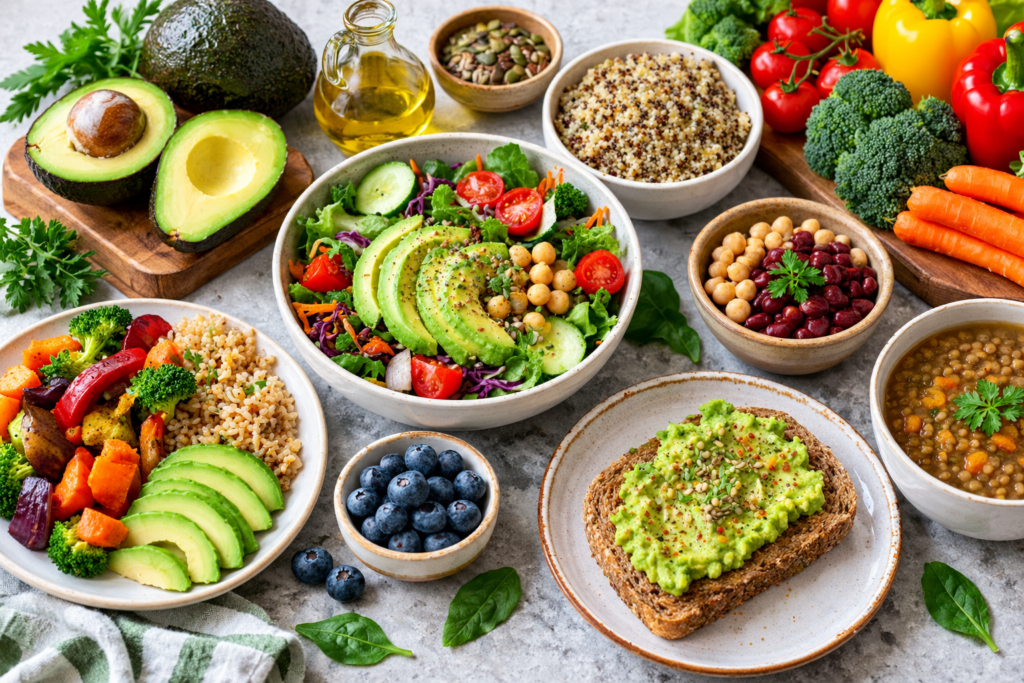
How to Enjoy Avocado in Summer
Summer meals are often lighter, quicker, and more refreshing. Avocado pairs naturally with crunchy vegetables, citrus, herbs, grilled foods, and chilled dishes.
Add It to Fresh Salads
Combine avocado with tomatoes, cucumber, corn, leafy greens, chickpeas, red onion, and fresh herbs. Add lemon or lime juice and black pepper for a simple dressing.
The avocado provides creaminess, which means you may not need a large amount of oil-based dressing. Add grilled chicken, tuna, eggs, beans, or tofu if you want more protein.
Blend It Into Smoothies
A small amount of avocado can make a smoothie thicker and smoother. Blend it with berries, spinach, plain yogurt, or fortified plant milk.
Lime juice can brighten the flavor, while berries add natural sweetness. Avoid adding large amounts of sugar or syrup if the fruit already provides enough sweetness.
Blend It Into Smoothies
Spread mashed avocado inside a whole-grain wrap and add black beans, lettuce, tomato, cabbage, grilled chicken, or roasted vegetables.
For a quick vegetarian wrap, combine avocado with black beans, corn, shredded cabbage, salsa, and a squeeze of lime. This makes a filling lunch with fiber, healthy fat, and plant-based protein.
Blend It Into Smoothies
Classic guacamole needs only mashed avocado, lime juice, onion, tomato, chili, and herbs. Serve it with sliced carrots, cucumber, peppers, whole-grain crackers, or a moderate portion of baked tortilla chips.
Guacamole can become high in calories when eaten with a large amount of chips. Treat it as a topping or dip alongside vegetables rather than making it the entire meal.
Blend It Into Smoothies
Spread mashed avocado on whole-grain toast and top it with a boiled egg, tomato, cucumber, pumpkin seeds, herbs, or chili flakes.
For a summer variation, add sliced cucumber, lemon juice, and fresh mint. For more protein, add eggs, beans, smoked salmon, tuna, or grilled chicken.
Blend It Into Smoothies
Avocado can bring a fresh flavor to winter meals that are often based on roasted vegetables, grains, beans, and slow-cooked dishes.
Blend It Into Smoothies
Layer brown rice, quinoa, barley, roasted vegetables, beans, and avocado in a bowl. Finish with lemon juice and a dressing made from yogurt, tahini, or olive oil.
Keep the avocado separate until serving so it maintains its texture. The warm grains and vegetables create a comforting base, while avocado adds freshness and creaminess.
Pair It With Eggs and Toast
Avocado, eggs, and whole-grain toast make a quick meal for breakfast, lunch, or dinner. Add sautéed mushrooms, spinach, tomatoes, or roasted peppers for extra vegetables.
You can also serve poached or boiled eggs over avocado toast with black pepper and a small amount of chili. This meal is easy to adjust based on ingredients already available at home.
Add It to Soups
Diced avocado works well as a topping for tomato soup, bean soup, vegetable soup, chili, and lentil soup. Add it just before serving rather than cooking it for a long time.
The avocado provides a creamy contrast without requiring cream. For extra flavor, add coriander, lime juice, chopped onion, or a few roasted seeds.
Combine It With Beans
Beans and avocado make a satisfying combination. Beans provide plant protein and fiber, while avocado adds monounsaturated fat and a smooth texture.
Try serving lentils with roasted carrots, brown rice, avocado, and lemon. You can also add avocado to black bean tacos, chickpea bowls, or a warm bean salad.
Serve It With Roasted Vegetables
Add avocado to a plate of roasted sweet potatoes, cauliflower, Brussels sprouts, green beans, or squash. A simple lemon-avocado dressing can turn leftover vegetables into a complete meal.
To make the dressing, mash avocado with lemon juice, garlic, black pepper, and a small amount of water. Add water gradually until the dressing reaches your preferred consistency.
Is Avocado Good in Both Summer and Winter?
Yes, avocado can be part of a balanced diet in every season. Its nutritional value remains the same whether it is served in a cold summer salad or alongside warm winter vegetables.
The main difference is how you use it. Summer meals usually combine avocado with raw vegetables, fruit, herbs, wraps, smoothies, and chilled grains. Winter meals often pair it with roasted vegetables, beans, eggs, soups, chili, and whole-grain bowls.
A healthy diet should include variety. Avocado can provide healthy fat and fiber, but it should be eaten alongside vegetables, fruits, whole grains, legumes, nuts, seeds, dairy or fortified alternatives, and suitable protein sources.
People who need to limit potassium, monitor calorie intake, manage a medical condition, or take medication affected by vitamin K should speak with a qualified healthcare professional about suitable portions.
Tips for Choosing and Storing Avocados
How to Choose a Ripe Avocado
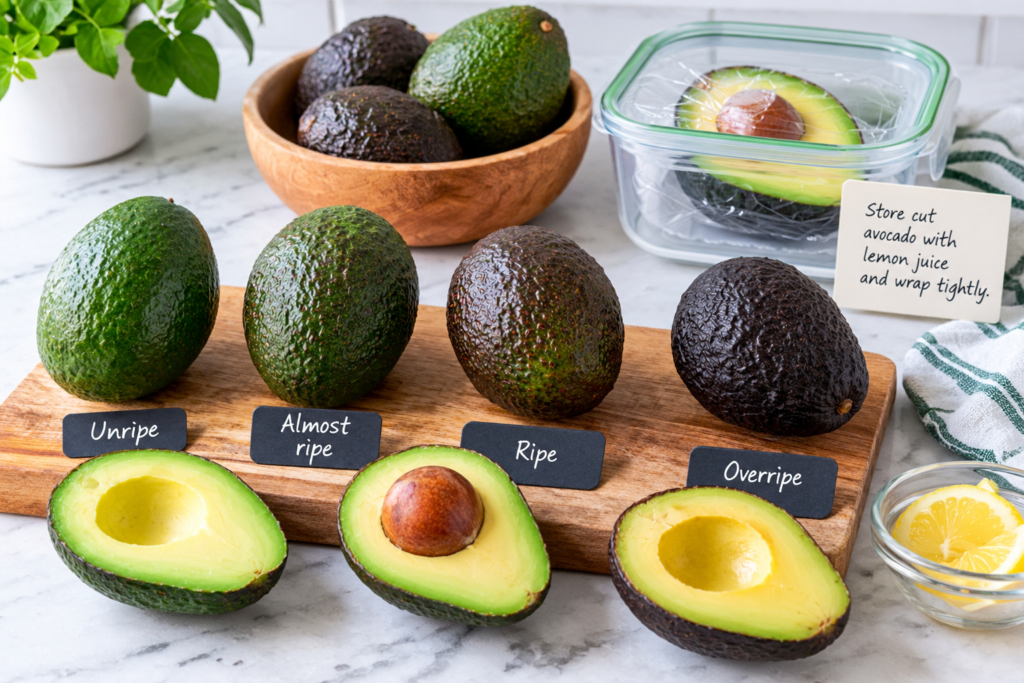
A ripe avocado should give slightly when you press it gently with your fingertips. It should not feel rock-hard, extremely soft, or watery.
Skin color is not always a reliable guide because varieties differ. Hass avocados often become darker as they ripen, but firmness is usually more useful than color.
Avoid avocados with deep dents, leaking liquid, mold, large sunken spots, or extensive soft areas. If you want to eat the fruit immediately, choose one that yields slightly to gentle pressure.
How to Ripen an Avocado
Keep an unripe avocado at room temperature until it softens. You can place it in a paper bag with a banana or apple to speed up ripening because these fruits release ethylene gas.
Check the avocado daily once it begins to soften. Refrigerating an unripe avocado can slow the ripening process. Once it is ripe, refrigeration can help delay further softening.
How to Store a Whole Avocado
Uncut, unripe avocados can remain at room temperature. After they ripen, place them in the refrigerator if you do not plan to eat them immediately.
Do not wash avocados before storing them. Moisture on the skin can encourage spoilage. Instead, rinse and scrub the outside under cool running water just before cutting.
How to Store a Cut Avocado
Brush the exposed flesh with lemon or lime juice and cover it tightly with food-safe wrap. You can also place it in an airtight container with minimal air space.
Refrigerate cut avocado and use it within approximately three to four days for best quality.
How to Prevent Browning
Avocado flesh turns brown when it is exposed to oxygen. This process is called enzymatic browning and does not automatically mean the avocado is unsafe to eat.
Lemon or lime juice can slow browning, while tight wrapping reduces contact with air. If the avocado develops mold, an unpleasant smell, slimy texture, or unusual taste, discard it.
How to Freeze Avocado
Avocado can be frozen, but whole or sliced pieces may become softer after thawing. For better quality, mash or puree the avocado before freezing.
Michigan State University Extension recommends adding lemon juice to avocado puree, placing it in a sealed freezer-safe container, leaving some headspace, and labeling it with the date. Frozen puree is best used in smoothies, spreads, sauces, and dips.
Frequently Asked Questions
Is avocado a fruit or a vegetable?
Avocado is botanically a fruit. It is often used like a vegetable because its flavor is mild and savory rather than sweet.
How much avocado should you eat per day?
There is no universal serving size for everyone. One-quarter to one-half of a medium avocado can fit into many balanced diets, depending on your calorie needs and the rest of your meals.
Can avocado support digestion?
Avocado contains dietary fiber, which supports regular bowel movements and normal digestive function. Increase fiber gradually and drink enough fluids to help reduce digestive discomfort.
Is avocado good for the heart?
Avocado contains monounsaturated fat, fiber, potassium, and plant compounds associated with heart-supportive eating patterns. It is most helpful when used instead of foods higher in saturated fat. Clinical research has found improvements in some blood lipid measures when avocado replaces other dietary fats.
Can you eat avocado in winter?
Yes. Add avocado to warm grain bowls, bean dishes, eggs, roasted vegetables, soups, chili, and whole-grain toast. Add it near the end of preparation to preserve its fresh flavor and texture.
Does avocado need to be refrigerated?
Unripe avocados are generally kept at room temperature until they soften. Once ripe, they can be refrigerated to slow further ripening. Cut avocado should be covered and refrigerated.
Final Thoughts
These 10 amazing avocado benefits include fiber for digestive health, monounsaturated fat, potassium, folate, antioxidant compounds, meal satisfaction, and easy preparation. Avocado is also remarkably versatile, working in everything from a crisp summer salad to a warm winter grain bowl.
The best way to enjoy it is to use avocado as part of a varied diet and, when possible, as a replacement for butter, processed spreads, or other less nutritious fats. With sensible portions and proper storage, it can bring flavor, creaminess, and useful nutrients to meals all year long. For more practical ideas, explore this guide to building a balanced seasonal diet.
Disclaimer: This article is for general educational purposes and is not a substitute for individualized medical advice. Anyone with a medical condition, food allergy, dietary restriction, or medication-related concern should consult a qualified healthcare professional.