Introduction
Avocado tree farming has transformed from a regional agricultural activity into a thriving global industry. As consumer demand for healthy and nutrient-rich foods continues to rise, avocados have become one of the most sought-after fruits worldwide. Known for their creamy texture, rich flavor, and exceptional nutritional profile, avocados are now a staple in homes, restaurants, and food industries across the globe.
The rapid growth of avocado tree farming has generated significant economic opportunities for growers and exporting countries. However, the industry’s expansion has also brought environmental and social challenges that require careful management. Sustainable farming practices are becoming increasingly important to ensure that avocado production remains profitable while protecting natural resources and supporting local communities.
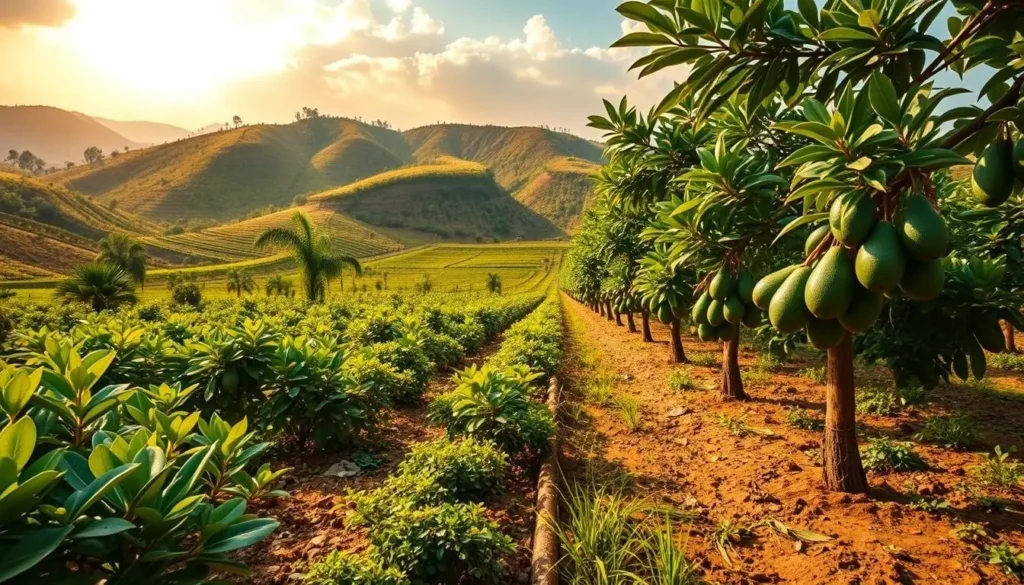
In this guide, we explore avocado tree farming, its economic importance, cultivation requirements, sustainability challenges, and future opportunities.
What Is an Avocado Tree?
The avocado tree (Persea americana) is an evergreen fruit tree native to Central America and Mexico. It belongs to the Lauraceae family and can grow between 20 and 30 feet tall under favorable conditions.
Avocado trees are valued for their nutritious fruits, which contain healthy monounsaturated fats, fiber, vitamins, and minerals. These nutrients make avocados a popular choice among health-conscious consumers.
Popular Avocado Tree Varieties
Several avocado varieties are cultivated commercially, including:
- Hass Avocado Tree – The most popular commercial variety worldwide.
- Fuerte Avocado Tree – Known for its smooth green skin and rich flavor.
- Bacon Avocado Tree – Cold-tolerant and suitable for cooler climates.
- Zutano Avocado Tree – Commonly used as a pollinator variety.
Among these, the Hass avocado tree dominates international markets because of its excellent shelf life and consumer preference.
Why Avocado Tree Farming Is Growing Worldwide
The popularity of avocados has increased dramatically over the past two decades. Consumers increasingly seek nutritious foods that support healthy lifestyles, and avocados perfectly fit this demand.
Several factors contribute to the growth of avocado tree farming:
Rising Health Awareness
Avocados contain heart-healthy fats, potassium, antioxidants, and essential vitamins. They are widely recommended as part of balanced diets.
Growth of Plant-Based Diets
As more people adopt vegetarian and vegan lifestyles, avocados have become a valuable source of healthy fats and nutrients.
Expanding Global Trade
Modern transportation and cold-chain logistics enable avocados to reach international markets quickly and efficiently.
Increased Consumer Demand
Restaurants, cafes, and food manufacturers frequently incorporate avocados into their menus and products, creating year-round demand.
Ideal Conditions for Growing an Avocado Tree
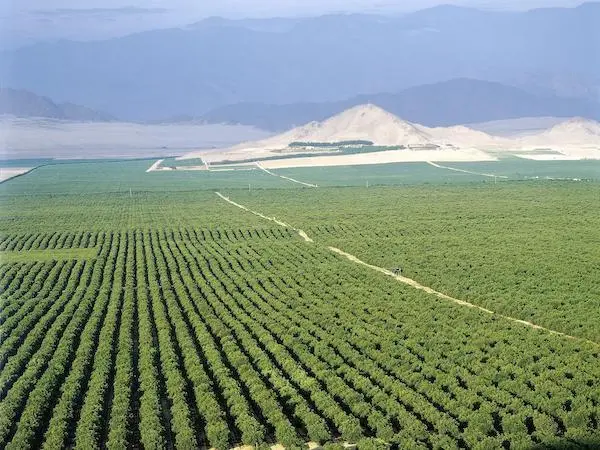
Successful avocado tree farming depends on proper environmental conditions.
Climate Requirements
Avocado trees thrive in:
- Temperatures between 15°C and 30°C
- Frost-free environments
- Subtropical and tropical regions
- Areas with moderate humidity
Soil Requirements
The best soil conditions include:
- Well-drained soil
- Slightly acidic pH (5.5–7.0)
- High organic matter content
- Good aeration
Poor drainage can cause root rot, one of the most common avocado tree diseases.
Water Requirements
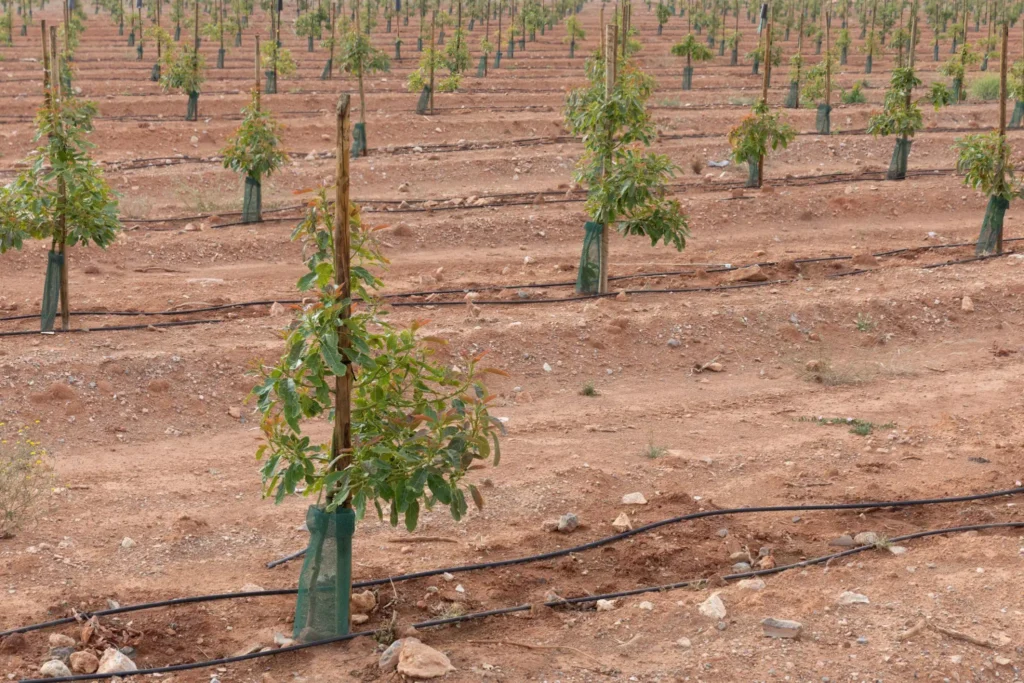
Avocado trees require consistent irrigation, especially during dry periods. However, excessive watering should be avoided.
Modern farms increasingly use drip irrigation systems to improve water efficiency and reduce waste.
Economic Benefits of Avocado Tree Farming
The avocado industry contributes billions of dollars to the global economy each year.
Employment Opportunities
Avocado farming creates jobs in:
- Orchard management
- Harvesting
- Packaging
- Transportation
- Export operations
Export Revenue
Many countries rely on avocado exports as an important source of foreign exchange earnings.
Improved Farmer Income
Compared to many traditional crops, avocado trees often provide higher returns per hectare, increasing profitability for growers.
Agricultural Development
The industry encourages investment in:
- Irrigation systems
- Storage facilities
- Transportation infrastructure
- Agricultural technology
These investments support broader rural development and economic growth.
Environmental Challenges Facing the Avocado Industry
Although avocado tree farming offers significant economic benefits, rapid expansion has raised environmental concerns.
Deforestation
In some regions, forests have been cleared to establish avocado orchards.
Consequences include:
- Habitat loss
- Reduced biodiversity
- Soil degradation
- Increased carbon emissions
Protecting natural ecosystems is critical for sustainable industry growth.
Soil Degradation
Intensive farming practices can reduce soil fertility over time if proper conservation methods are not implemented.
Increased Carbon Footprint
Global transportation of avocados contributes to greenhouse gas emissions, especially when products are shipped long distances.
Water Consumption and Climate Concerns
One of the most discussed issues surrounding avocado tree farming is water use.
Avocado trees require substantial amounts of water to produce healthy fruit. In water-scarce regions, this demand can create competition between agriculture and local communities.
Potential impacts include:
- Groundwater depletion
- Reduced river flows
- Increased drought vulnerability
- Water shortages for nearby populations
Climate change further intensifies these challenges by increasing temperatures and reducing rainfall in many avocado-growing areas.
Social Challenges in Avocado Production
The avocado supply chain involves millions of workers and smallholder farmers.
Income Inequality
Many small farmers face challenges such as:
- Limited access to financing
- High production costs
- Market price fluctuations
- Limited bargaining power
Meanwhile, larger exporters often capture a greater share of profits.
Labor Conditions
Sustainable avocado farming should ensure:
- Fair wages
- Safe working conditions
- Reasonable working hours
- Access to worker protections
Addressing these issues strengthens the long-term resilience of the industry.
Post-Harvest Losses and Supply Chain Challenges
Avocados are highly perishable fruits.
Without proper handling, significant losses can occur between harvest and final sale.
Common challenges include:
- Poor storage facilities
- Transportation delays
- Inadequate refrigeration
- Inefficient supply chain management
Reducing post-harvest losses benefits both farmers and consumers while minimizing food waste.
Sustainable Avocado Tree Farming Practices
Sustainability is becoming a major priority throughout the avocado industry.
Water-Efficient Irrigation
Drip irrigation systems deliver water directly to plant roots, reducing waste and improving efficiency.
Soil Conservation
Farmers can improve soil health through:
- Mulching
- Compost application
- Cover cropping
- Reduced tillage practices
Integrated Pest Management
Sustainable farms reduce chemical use by combining biological, cultural, and mechanical pest control methods.
Biodiversity Protection
Maintaining natural vegetation around orchards helps preserve wildlife habitats and ecosystem balance.
Renewable Energy Adoption
Many agricultural operations are investing in solar energy and energy-efficient technologies to reduce environmental impact.
Closed-Loop Supply Chains in Avocado Production
Modern avocado businesses increasingly adopt circular economy principles.
Instead of treating by-products as waste, they are converted into valuable resources.
Uses of Avocado By-Products
- Avocado oil production
- Organic compost
- Animal feed
- Cosmetic ingredients
- Natural skincare products
This approach reduces waste while creating additional income streams for producers.
Future Trends in Avocado Tree Farming
Several innovations are shaping the future of avocado production.
Precision Agriculture
Farmers use sensors, drones, and satellite technology to monitor crop health and optimize resource use.
Smart Irrigation Systems
Automated irrigation technology improves water management and reduces operating costs.
Blockchain Traceability
Blockchain systems enhance transparency by allowing consumers to track products from farm to market.
Climate-Resilient Varieties
Researchers continue developing avocado tree varieties that can better tolerate drought, heat, and changing climate conditions.
Sustainability Certifications
Consumers increasingly prefer products certified for environmental and social responsibility.
Frequently Asked Questions About Avocado Tree Farming
Is avocado tree farming profitable?
Yes. Avocado tree farming can be highly profitable due to strong global demand and premium market prices, particularly for Hass avocados.
How long does an avocado tree take to produce fruit?
Grafted avocado trees typically begin producing fruit within 3–5 years, while seed-grown trees may require 7–10 years.
Which avocado variety is best for commercial farming?
The Hass avocado tree is generally considered the best commercial variety because of its high demand, excellent flavor, and long shelf life.
How much water does an avocado tree need?
Water requirements vary depending on climate and soil conditions, but avocado trees require regular irrigation while avoiding waterlogged soil.
Can avocado tree farming be sustainable?
Yes. Sustainable avocado farming combines efficient irrigation, soil conservation, responsible land management, biodiversity protection, and fair labor practices.
Conclusion
Avocado tree farming has become one of the most valuable sectors in modern agriculture. Growing global demand has created opportunities for farmers, exporters, and rural communities while contributing significantly to economic development.
However, sustainable growth is essential. Challenges such as water consumption, deforestation, labor conditions, and supply chain inefficiencies must be addressed through responsible farming practices and innovative technologies.
By embracing sustainability, improving resource efficiency, and supporting local communities, the avocado industry can continue to thrive while protecting ecosystems for future generations.
As global demand for nutritious foods continues to rise, avocado tree farming is positioned to remain a key contributor to agricultural growth, food security, and rural prosperity.